Siwa Oasis: Egypt's Hidden Desert Paradise
Deep in Egypt's Western Desert lies a secret that few travelers discover: Siwa Oasis, a breathtaking sanctuary where ancient history meets pristine natural beauty, offers something truly extraordinary: an authentic glimpse into Egypt's Berber heritage, therapeutic salt lakes that rival the Dead Sea, and desert landscapes so stunning they seem otherworldly.
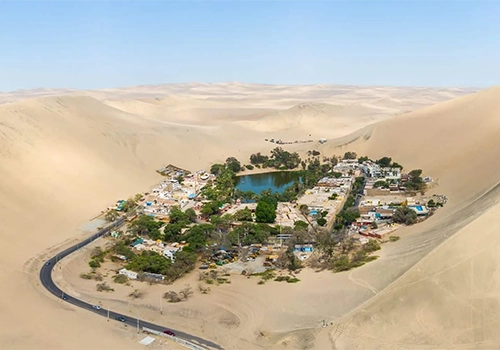
Siwa oasis contains several small lakes fed by natural springs, with the largest being Lake Siwa in the center. These bodies of water, combined with underground aquifers, create the perfect conditions for agriculture and support the local Berber community that has called Siwa home for over a thousand years.
This oasis has captivated explorers for millennia. Alexander the Great journeyed here to consult the famous Oracle of Amun, and Cleopatra herself is said to have bathed in its sacred springs. Siwa delivers experiences you'll find nowhere else on Earth. From sunrise over endless sand dunes to starlit nights, this oasis represents Egypt at its most magical and serene.
Where Is Siwa Located?
Siwa Oasis sits in Egypt's Western Desert, approximately 50 kilometers east of the Libyan border. This isolated paradise spans roughly 80 kilometers in length and 20 kilometers in width, making it one of Egypt's largest and most significant oases.
Distance from Cairo
Siwa Oasis lies approximately 560 kilometers southwest of Cairo, making it about a 7-8 hour drive through the Western Desert. Most visitors travel via the well maintained desert highway that passes through Marsa Matrouh on the Mediterranean coast. The journey itself becomes part of the adventure, offering spectacular views of endless desert landscapes that gradually give way to the green paradise of the oasis.
Why Visit Siwa?
Unique Berber Culture
Siwa Oasis is home to one of Egypt's last remaining Berber communities, where the indigenous Amazigh culture thrives alongside traditional Egyptian customs. The local Siwi people speak their own language, maintain unique architectural styles, and preserve customs that have remained unchanged for centuries.
Visitors can experience this living culture through traditional craft workshops, where artisans create beautiful jewelry, textiles, and pottery using techniques passed down through generations. The local markets offer authentic handmade goods, from intricate silver jewelry to woven baskets and traditional clothing, providing meaningful souvenirs that support the local community.
Natural Beauty & Desert Landscapes
Few places on Earth match Siwa's stunning natural diversity. The oasis seamlessly blends verdant palm groves with dramatic desert backdrops, creating photographic opportunities at every turn. Ancient olive trees, some over 1,000 years old, dot the landscape alongside date palms heavy with fruit.
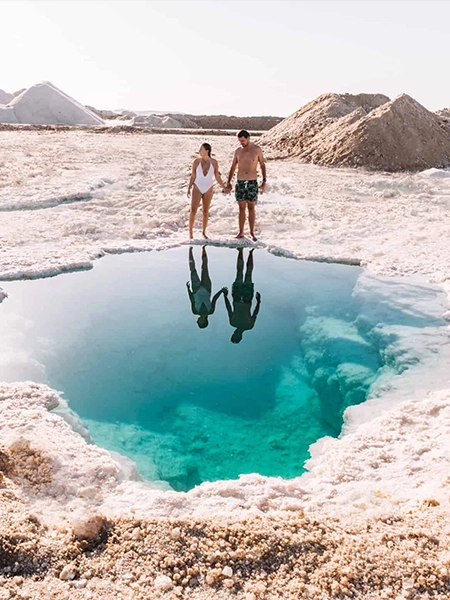
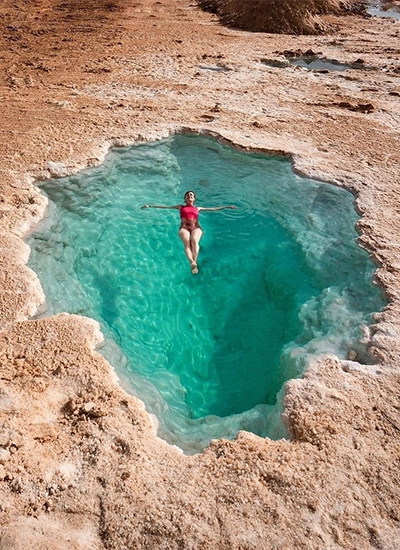
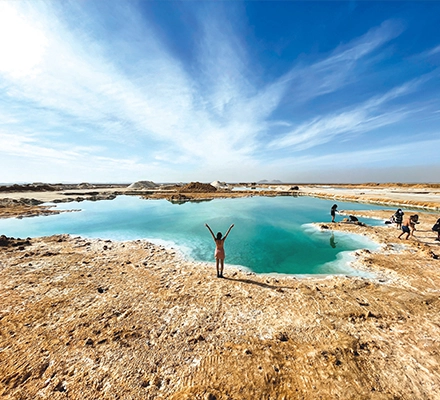
The surrounding desert offers landscapes that range from golden sand dunes reaching heights of 100 meters to rocky outcroppings filled with fossils and petrified coral—evidence of the area's ancient marine past. Salt flats create mirror like surfaces that reflect the sky, while natural springs bubble up from underground aquifers, forming crystal clear pools perfect for swimming.
Wellness, Salt Lakes & Relaxation
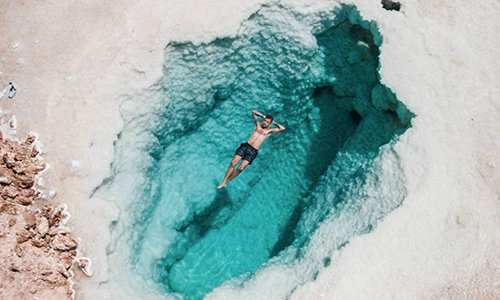
Siwa's salt lakes have attracted wellness seekers for thousands of years. These natural pools contain mineral rich waters with salt concentrations that allow effortless floating, similar to the Dead Sea experience. The therapeutic properties of these waters are legendary among locals, who believe regular bathing helps with joint pain, skin conditions, and overall well being.
The oasis environment itself promotes relaxation and rejuvenation. The absence of urban noise, clean desert air, and spectacular natural beauty create the perfect setting for digital detox and mental restoration.
Top Attractions in Siwa
The Temple of the Oracle of Amun (Temple of Alexander the Great)
This ancient sanctuary holds immense historical significance as the place where Alexander the Great came to consult the Oracle of Amun in 331 BCE. The temple complex, built during the 26th Dynasty, sits atop a rocky outcrop offering commanding views of the oasis below.
The oracle chamber remains well preserved. Hieroglyphic inscriptions and carved reliefs provide insight into religious practices that continued for over a millennium.

Shali Fortress (Old Siwa Town)
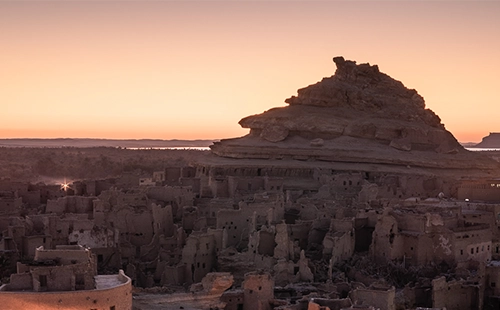
The ruins of Shali Fortress represent one of Egypt's most unique archaeological sites. Built in the 13th century using a local technique called "kershef" (a mixture of salt, clay, and palm wood), this ancient settlement housed the entire population of Siwa for centuries.
The spring's crystal clear waters bubble up from deep underground sources, creating a natural swimming pool surrounded by palm trees.
Fatnas Island (Fantasy Island)
This small island in Salt Lake provides one of Siwa's most romantic and peaceful settings. Fatnas Island offers stunning sunset views across the water toward the Great Sand Sea.
The island is particularly popular for sunset viewing, as the western orientation provides clear views of the sun disappearing behind distant dunes.
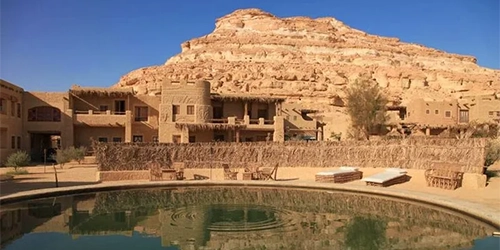

Gebel al Mawta (Mountain of the Dead)
This ancient necropolis contains dozens of rock cut tombs dating from the 26th Dynasty through the Roman period. The mountain's caves house remarkably preserved burial chambers decorated with colorful murals depicting scenes from the afterlife and daily life in ancient Egypt.
The most famous tomb belongs to Si-Amun, featuring vivid paintings of the deceased making offerings to various gods. The artwork provides valuable insights into the religious beliefs and artistic traditions of Siwa's ancient inhabitants.
Siwa Salt Lakes
Several salt lakes dot the oasis landscape, each offering unique experiences. Lake Siwa, the largest, provides excellent floating opportunities due to its high salt content. The mineral rich waters are believed to have therapeutic properties, attracting visitors seeking natural healing treatments.
Smaller lakes like Maraqi and Aghormi offer more intimate experiences, with pristine waters surrounded by untouched desert landscapes. The varying salt concentrations create different buoyancy levels, allowing visitors to experience everything from gentle floating to more challenging swimming.
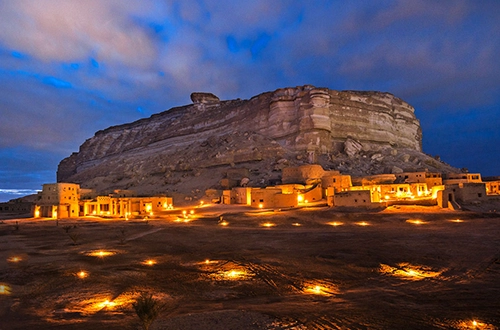
Dakrour Mountain (Jabal Dakrur)
Rising 100 meters above the oasis floor, Dakrour Mountain offers spectacular panoramic views and unique sand bath treatments. Local tradition holds that burying oneself in the mountain's warm sand during summer months provides healing benefits for rheumatism and joint problems.
The mountain's summit provides exceptional vantage points for photography, particularly during sunrise and sunset when the entire oasis is bathed in golden light. The climb to the top takes about 30 minutes and rewards visitors with 360 degree views of the surrounding desert and oasis settlements.
Desert Adventures in Siwa
4x4 Safari & Sand Dunes
Siwa serves as the gateway to Egypt's Great Sand Sea, offering some of the world's most spectacular desert landscapes. Professional 4x4 safaris navigate towering sand dunes, ancient fossil beds, and remote springs that few travelers ever see. Experienced local drivers share their knowledge of desert survival, navigation techniques, and the area's unique geology.
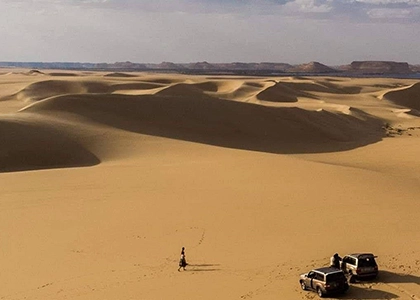

Great Sand Sea
The Great Sand Sea extends westward from Siwa into Libya, creating one of Earth's largest sand dune systems. These massive dunes, some reaching heights of 140 meters, create an otherworldly landscape of flowing golden hills that shift and change with the wind.
Sandboarding down these pristine dunes provides thrilling excitement, while quieter moments allow for appreciation of the desert's profound silence and beauty. The sand's fine texture and golden color create perfect conditions for photography, particularly during the magical hours around sunrise and sunset.
Camping Under the Stars
Desert camping in Siwa offers one of the world's premier stargazing experiences. With minimal light pollution, crystal clear desert air, the night sky reveals countless stars and planets.
These overnight experiences typically include campfire gatherings, traditional music, and storytelling sessions that provide insight into Berber culture and desert life.

Best Time to Visit
Siwa enjoys a desert climate with hot, dry summers and mild winters. The oasis experiences significant temperature variations between day and night, particularly during winter months when days can be pleasantly warm while evenings require layers.
The ideal time to visit Siwa is between October and April, when daytime temperatures range from 20-30°C (68-86°F) and nighttime temperatures drop to comfortable levels perfect for stargazing. Summer months (May through September) can be extremely hot, with temperatures often exceeding 40°C (104°F), though this period offers the advantage of fewer crowds and lower accommodation rates.
Travel Tips for Visiting Siwa
What to Pack
Desert travel requires careful preparation. Essential items include lightweight, long sleeved clothing for sun protection, a hat, high SPF sunscreen, and sturdy walking shoes suitable for sand. Bring layers for cool evenings and early mornings when temperatures can drop significantly.
Don't forget swimwear for the salt lakes and springs, a waterproof bag for electronics, and a good camera with extra batteries (desert conditions can drain power quickly). Binoculars enhance wildlife viewing and stargazing experiences.
Safety, Connectivity & Language
Siwa is generally very safe for tourists, with extremely low crime rates and helpful local residents. However, desert travel requires appropriate precautions. Always travel with reputable tour operators for desert excursions, carry plenty of water, and inform others of your plans when exploring independently.
Eco Friendly Travel Advice
Siwa's fragile desert ecosystem requires conscious protection from visitors. Follow Leave No Trace principles by carrying out all trash, staying on designated paths, and avoiding damage to vegetation or archaeological sites.