Luxury Luxor Tours & Tailor-Made Experiences

Luxor: Egypt's Open-Air Museum


Often called the world's greatest open-air museum, Luxor stands as Egypt's crown jewel of ancient civilization. This extraordinary city, built on the ruins of ancient Thebes, houses approximately one third of the world's antiquities within its borders. From towering temple complexes to royal burial chambers carved deep into desert cliffs, Luxor offers travelers an unparalleled journey through 4,000 years of pharaonic history.

Luxor's significance extends far beyond its impressive collection of monuments. As the religious center of ancient Egypt and burial ground of pharaohs, it served as the heart of the New Kingdom for over 500 years. The city's strategic location along the Nile River made it a powerful political and cultural hub, leaving behind a legacy that continues to captivate millions of visitors each year.

luxor egypt open air museum

East Bank & West Bank: Two Sides of Ancient Thebes


The Nile River naturally divides Luxor into two distinct areas, each offering its own treasures and atmosphere. Understanding the difference between these sides will help you plan your exploration more effectively.

the west bank realm of the dead

The East Bank: Land of the Living

The East Bank represents the world of the living in ancient Egyptian belief. This bustling side of Luxor houses the modern city center, hotels, restaurants, and some of Egypt's most magnificent temple complexes. The ancient Egyptians built their cities and temples to the gods on the eastern side, where the sun rises, symbolizing life and rebirth.

Key attractions on the East Bank include the massive Karnak Temple Complex and the elegant Luxor Temple. The area buzzes with activity day and night, offering excellent dining options, shopping opportunities, and easy access to transportation.

the west bank realm of the dead

The West Bank: Realm of the Dead

Across the Nile lies the West Bank, where the sun sets and the ancient Egyptians believed the dead journeyed to the afterlife. This quieter, more mystical side of Luxor contains the majority of royal tombs and mortuary temples.

The West Bank houses the Valley of the Kings, Valley of the Queens, Temple of Hatshepsut, Colossi of Memnon, and numerous mortuary temples. While less developed than the East Bank, it offers a more intimate connection with ancient Egypt's spiritual beliefs and burial practices.

Top Attractions in Luxor


The Karnak Temple

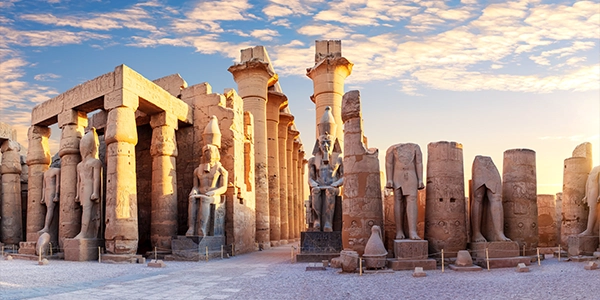
Complex stands as one of humanity's greatest architectural achievements. This vast religious site, larger than most European cathedrals, was constructed over 2,000 years by successive pharaohs. The complex consists of multiple temples, chapels, and sacred buildings dedicated primarily to the god Amun Ra.

The highlight of Karnak is the Great Hypostyle Hall, featuring 134 massive columns arranged in 16 rows. Each column soars over 60 feet high and is decorated with intricate hieroglyphs and carvings. Walking through this forest of stone columns creates an almost overwhelming sense of ancient grandeur.

The Sacred Lake within the complex served important religious functions and today reflects the temple's imposing structures, creating perfect photo opportunities during golden hour.

karnak temple
luxor temple

Luxor Temple

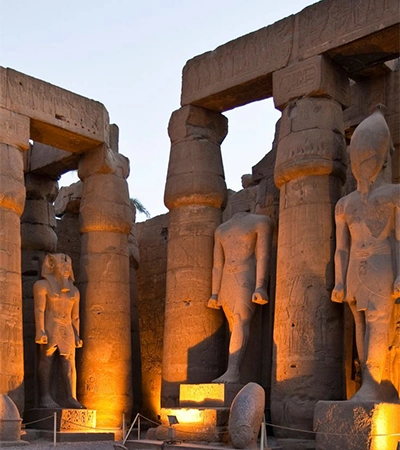
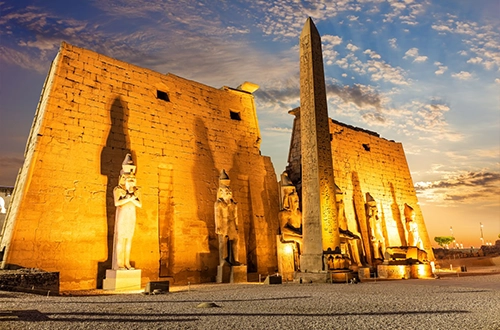
Unlike other Egyptian temples built to honor gods, Luxor Temple was constructed for the rejuvenation of kingship. Connected to Karnak Temple by a 1.5-mile avenue of sphinx statues, this temple showcases some of the finest examples of pharaonic architecture.

The temple's beauty becomes truly magical at night when carefully designed lighting illuminates the columns, statues, and hieroglyphs.

Valley of the Kings

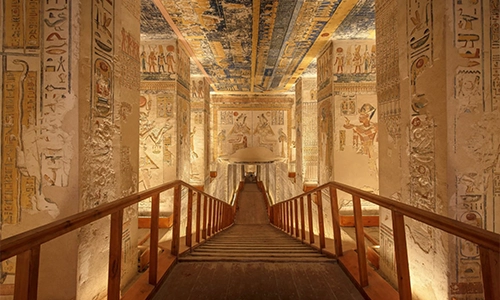
Hidden within the desert mountains of the West Bank, the Valley of the Kings served as the royal cemetery for Egypt's New Kingdom pharaohs. This UNESCO World Heritage site contains 63 discovered tombs, including the famous burial chamber of Tutankhamun.

Each tomb tells a unique story through elaborate wall paintings depicting the pharaoh's journey through the afterlife. The vivid colors and detailed scenes remain remarkably preserved after thousands of years underground. Popular tombs to visit include those of Ramses VI, Seti I, and Ramses IX, each offering different artistic styles and burial chamber layouts.

valley of the kings
valley of the queens

Valley of the Queens

Located southwest of the Valley of the Kings, the Valley of the Queens served as the burial place for royal wives and children. The most spectacular tomb belongs to Queen Nefertari, beloved wife of Ramses II. Her tomb features some of the most beautiful and well preserved wall paintings in all of Egypt, though access requires special tickets due to conservation efforts.

Mortuary Temple of Hatshepsut

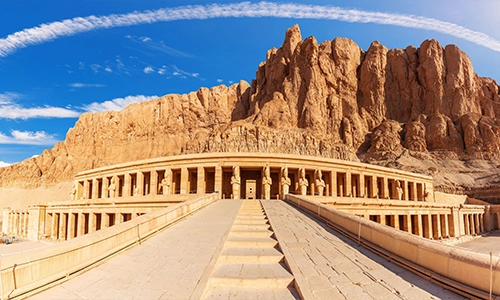
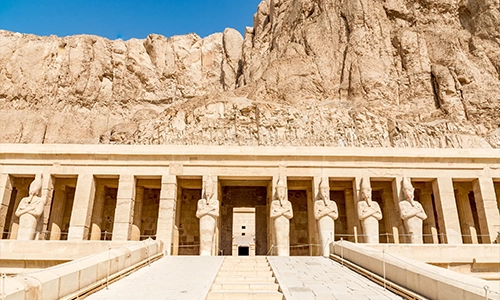
Rising dramatically from the desert floor against towering limestone cliffs, the Mortuary Temple of Hatshepsut represents one of ancient Egypt's architectural masterpieces. This unique temple, built for Egypt's most successful female pharaoh, features three terraced levels connected by ramps and colonnades.

The temple's modern looking design seems almost contemporary, with its clean lines and integration into the natural rock face. The reliefs inside tell the story of Hatshepsut's divine birth and her famous expedition to the mysterious land of Punt.

mortuary temple of hatshepsut
colossi of memnon

Colossi of Memnon

These two massive stone statues of Pharaoh Amenhotep III guard the entrance to what was once the largest mortuary temple in Egypt. Standing 60 feet tall and weighing 720 tons each, these weathered giants have watched over the Theban necropolis for over 3,400 years.

The northern statue became famous in antiquity for producing a musical sound at dawn, attributed by the Greeks to Memnon greeting his mother, the goddess of dawn. While the sound stopped after Roman repairs, the statues remain popular stops for their impressive scale and photogenic qualities.

Ramesseum

The mortuary temple of Ramses II, known as the Ramesseum, once rivaled Karnak in its grandeur. Though partially ruined, enough remains to appreciate its original magnificence. The temple features massive pylons, courtyards, and the remains of colossal statues of Ramses II.

Today, visitors can explore the temple's ruins while contemplating the rise and fall of one of history's most powerful pharaohs.

ramesseum
medinet habu

Medinet Habu (Temple of Ramses III)

Medinet Habu stands as one of Luxor's best preserved temple complexes. Built by Ramses III, this fortified temple showcases exceptional reliefs depicting naval battles and hunting scenes with remarkable detail and vibrant colors.

The temple's unique fortress includes massive walls and defensive structures, reflecting the turbulent times during which it was constructed.

Unique Experiences in Luxor


hot air balloon rides over the west bank

Hot Air Balloon Rides Over the West Bank

Few experiences compare to floating silently above Luxor's ancient monuments as the sun rises over the Nile Valley. Hot air balloon rides offer unparalleled views of the Valley of the Kings, mortuary temples, and the contrast between desert and river valley.

The best balloon rides launch before dawn, allowing passengers to witness sunrise from above the pharaohs' tombs. The peaceful flight provides perfect photography opportunities and a unique perspective on the scale and layout of ancient Theban monuments.

felucca sailing on the nile

Felucca Sailing on the Nile

Traditional felucca sailboats offer a timeless way to experience the Nile River. These wooden boats, virtually unchanged for centuries, provide peaceful sunset cruises between Luxor's East and West Banks. The gentle breeze and rhythmic lapping of water create a meditative atmosphere perfect for reflection after busy days of sightseeing.

Many felucca trips include stops at Banana Island, where you can explore local farms and enjoy fresh fruit while learning about traditional Nile agriculture.

sound and light shows in luxor

Sound and Light Shows

Both Karnak and Luxor Temples host spectacular sound and light shows that bring ancient history to life through dramatic lighting, music, and narration. The Karnak show, considered superior by many visitors, uses the temple's massive structures as a backdrop for stories of pharaohs, gods, and ancient Egyptian beliefs.

These evening shows provide excellent opportunities for photography and offer historical context that enhances appreciation for the monuments visited during daytime exploration.

tombs with preserved wall art luxor

Visiting Tombs with Preserved Wall Art

Beyond the famous royal tombs, Luxor offers opportunities to visit nobles' tombs featuring exceptionally preserved wall paintings. Tombs such as those in the Valley of the Nobles showcase daily life in ancient Egypt through colorful scenes of farming, hunting, and religious ceremonies.

These smaller, less crowded tombs often provide more intimate experiences and allow closer examination of artistic techniques and hieroglyphic inscriptions.

Best Time to Visit Luxor


Luxor's desert climate creates distinct seasons that significantly impact visitor comfort and available activities. Understanding these patterns helps optimize your travel experience.

Winter (December-February): Winter (December-February): Daytime temperatures range from 65-75°F (18-24°C), making this the most comfortable season for extensive sightseeing. Nights can be cool, requiring light jackets. This peak season brings larger crowds and higher prices.

Spring (March-May): Temperatures gradually rise from comfortable to warm, reaching 80-90°F (27-32°C) by May. Spring offers excellent weather for most activities while avoiding peak season crowds.

Summer (June-August): Extreme heat with temperatures often exceeding 100°F (38°C) makes daytime sightseeing challenging. However, early morning and evening activities remain possible, and hotel rates drop significantly.

Fall (September-November): Temperatures cool from hot to pleasant, making October and November excellent months for visiting.

best time to visit luxor
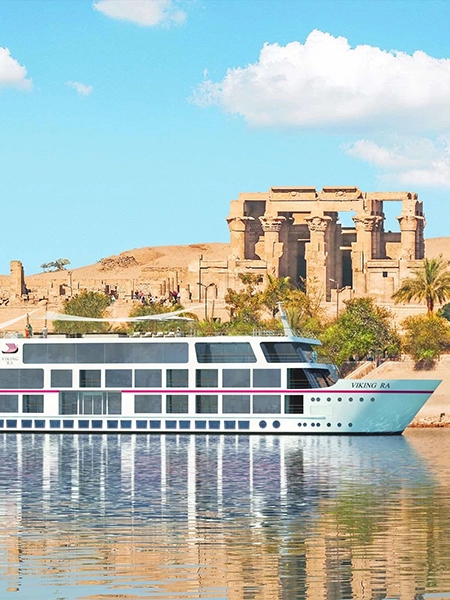
nile cruise luxor egypt

Luxor as Part of a Nile Cruise: Floating Through Histor


Why Luxor is a Popular Nile Cruise Stop

Luxor serves as either the starting or ending point for most Nile cruises between Luxor and Aswan. The city's concentration of monuments makes it an essential stop, while its developed tourism infrastructure supports cruise operations.

Cruise passengers typically spend 2-3 days in Luxor, allowing time to visit major East and West Bank attractions while enjoying the convenience of floating accommodation.

Cruising from Luxor to Aswan

The journey between Luxor and Aswan takes 3-4 days, stopping at Edfu and Kom Ombo temples along the way. This classic route showcases the Nile's importance to ancient Egyptian civilization while providing relaxing river travel between major sites.

Cruises offer the advantage of unpacking once while visiting multiple destinations, though they provide less flexibility than land based travel for independent exploration.

Customize Your Luxury Journey
Tell us your ideas — our expert travel designers will contact you soon
dusit egypt airfairmont Four Seasons Hotal JW Marriott kempinski Marriottmovenpickoberoi ritz carlton Sherton sofitel steigenberger stregis